Plumbing · Jackson, MS
Slab Leak Detection & Repair in Jackson, MS
A slab leak is the leak you cannot see until the evidence forces its way up — a warm patch on the floor, a water bill that climbed for no reason, the sound of running water with every faucet closed, or a hairline crack tracking across a room. The Honest Plumber Jackson finds the exact point a line failed beneath the concrete and repairs it with the smallest possible opening, using electronic and acoustic detection before anything gets cut. In Jackson this is the money job, because of what sits under nearly every slab in the metro: Yazoo clay.
Yazoo clay is a high-plasticity, expansive soil that swells when it takes on water and shrinks hard when it dries, and the movement is not subtle. Foundation records for the Jackson area document seasonal shrink-swell of up to roughly 38 percent and slab movement of three to five inches, with extreme cases running to ten or twelve. Because the overwhelming majority of homes across the metro are built slab-on-grade, the copper and cast-iron lines poured into that concrete move with the ground instead of holding still, and the joints eventually give.
Here is the chain that makes a small leak a large problem in this ground. A pinhole in an under-slab supply or a cracked sewer line feeds water into the clay beneath the foundation. That clay swells unevenly and pushes up against the slab while the drier ground nearby stays put — so the slab flexes, cracks, and shifts. A hidden plumbing leak becomes a foundation problem, and the longer it runs the more the clay does the damage the water started.
That is why detection comes first here, always. Pinpointing the failure to within inches means the repair opens one small section of slab rather than guessing across a whole foundation, and it means the clay stops getting fed before the movement compounds. Every job carries a free estimate and a written scope before any concrete comes up, and someone answers at (601) 675-5285, day or night.
What We Do
How We Find and Fix a Slab Leak in Jackson
Locating a leak under concrete takes the right instrument for the symptom, and repairing it takes the right method for the line — spot repair through the slab, or a reroute that leaves the concrete alone entirely.
Electronic & Acoustic Detection
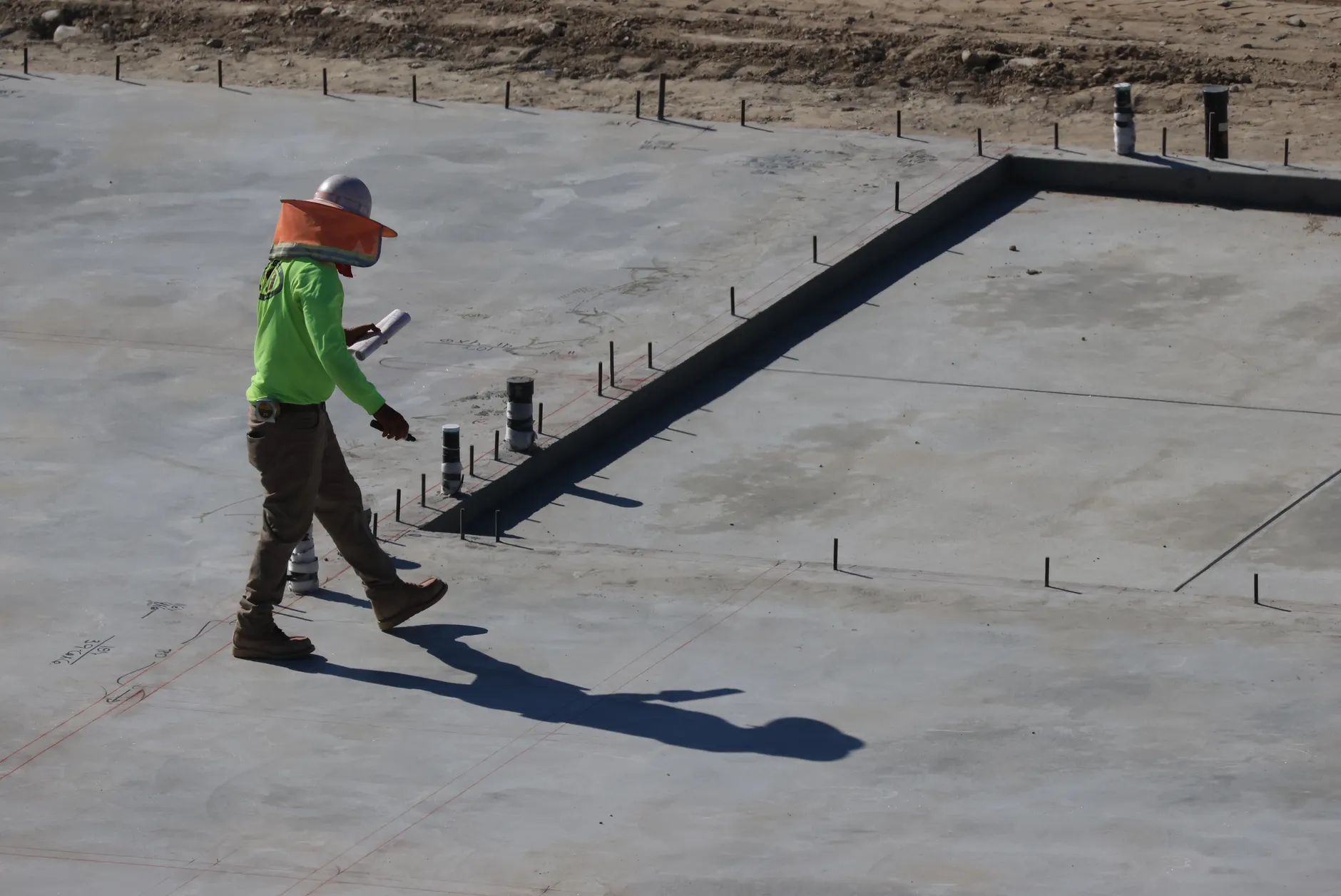
Electronic and acoustic equipment listens for the specific sound of pressurized water escaping through concrete and narrows it to a location, instead of cutting where the stain happens to show. Isolating sections of the system and watching pressure drop tells us which line and which side — hot or cold — the leak sits on before any tool touches the floor.
That survey happens before concrete comes up, and on the metro's shifting clay, knowing the exact point is the difference between one small opening and a torn-up floor.
Spot Repair Through the Slab
Once the failure is pinned to a few inches, a spot repair opens the smallest possible section of concrete, replaces or repairs that length of pipe, and closes the slab back. It is the faster, less invasive route when the rest of the line is sound and clay movement has not already stressed the whole run.
Every repaired line is pressure-tested against normal house pressure before the job is called finished — no repair signed off on a look alone.
Reroute to Bypass the Slab
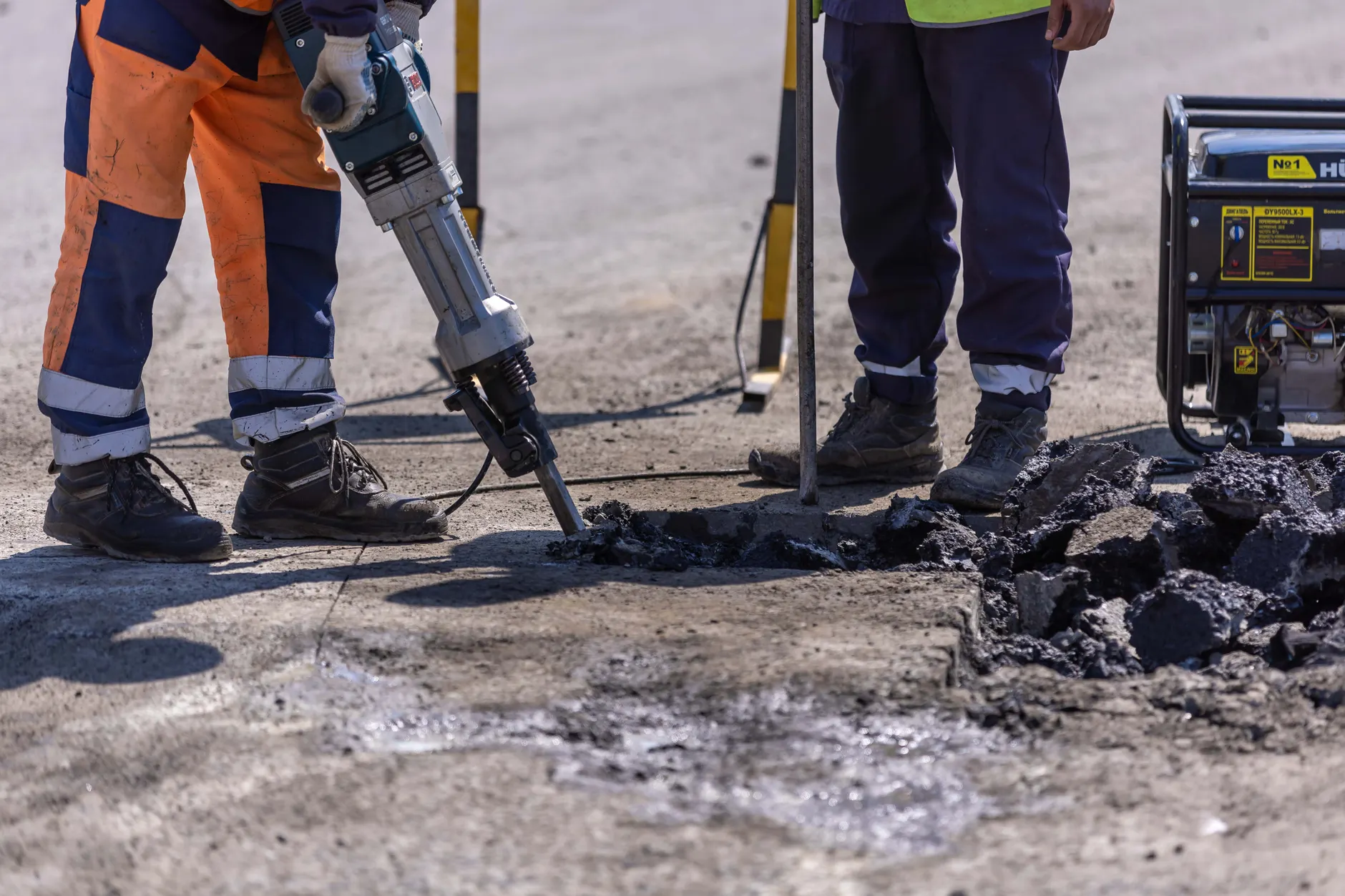
When a line has failed more than once, or opening the slab to reach it costs more than starting fresh, rerouting the run above the concrete — through walls or the attic — takes that pipe out from under the foundation and away from the clay entirely. It is a new line that no longer has to fight the ground movement that broke the old one.
We lay the choice out against the specific leak found, because a single pinhole and a run that keeps failing call for different answers, and the cheaper fix is not always the one that lasts.
The Benefits
Why Catching It Early Matters Here
A slab leak found early is a contained plumbing repair. Left to run against Yazoo clay, it becomes a spreading crack, a shifting floor, and a foundation problem stacked on top of the original leak.
It Stops the Clay Before the Foundation Moves
Sustained moisture from an unaddressed slab leak saturates the clay directly under the foundation, and expansive Yazoo clay does not merely get wet — it swells and pushes against the slab while the drier ground nearby stays put. Finding the exact failure point and shutting off that water is what keeps a plumbing repair from turning into a structural one.
It Ends a Water Bill That Doesn't Add Up
A slab leak running continuously under a foundation often becomes the single largest line on a water bill, with no visible sign beyond the number climbing month over month. Because the water disappears straight into the ground, many homeowners chase everything else first. Locating and repairing the leak typically brings that portion of the bill back down once the line is sealed.
A Fixed Scope Before Any Concrete Comes Up
The scope we present after detection reflects the exact leak found and the method it actually needs — spot repair or reroute — not a worst-case number quoted before anyone has listened for it. If a line turns out to be a single pinhole rather than a longer failing run, the price reflects that. You approve the written scope before the first cut, so nothing about the number changes underfoot.
How It Works
What a Slab Leak Job Looks Like
- 1
Confirm It's Actually a Slab Leak
Warm floors, a running-water sound with everything off, unexplained bill spikes, and new cracks all point toward a slab leak, but so do other faults. We confirm it is under the slab — not a water heater, a wall leak, or a fixture — before anyone talks about opening concrete.
- 2
Locate the Exact Point
Electronic and acoustic detection, plus pressure isolation to separate hot-side from cold-side, narrows the failure to within inches. This is the step that keeps the repair small, and it is where experience on the metro's clay-stressed lines pays off in a faster, more certain find.
- 3
Choose Spot Repair or Reroute
With the leak pinpointed, we lay out whether a targeted spot repair or a full reroute is the better answer for that line, and what each involves. You get the honest trade-offs and a written scope, then the decision is yours.
- 4
Repair, Test, and Restore
We make the repair, pressure-test the line against normal house pressure to prove it holds, and restore the opening. Nothing is called finished on an eye test, because a slab leak signed off without a pressure test is a callback waiting to happen.
Why Us
Why Jackson Trusts Us With the Slab
Slab leaks on Yazoo clay are the defining plumbing problem of this metro, and reading them is what the work is built around.
Located Before the Slab Is Opened
Precise location is what separates a repair from a demolition. Listening the leak down to inches, and confirming the line and side with pressure isolation, keeps the opening in the slab as small as the job allows — which on this clay is the whole difference in cost and disruption.
We Read the Metro's Clay-Stressed Stock
Belhaven and Fondren's older slabs, the newer subdivisions in Byram built directly on expansive clay, and Clinton and Pearl's later stock each fail in their own way, so recognizing which lines the ground tends to break and roughly where they run shortens a detection visit before the equipment even comes out.
One Written Scope, Confirmed First
The scope confirmed after detection is the plan the job follows. If something changes once the concrete is open — a longer failing run than the survey suggested — it is agreed with you, never billed as a surprise. See our full services for the sewer and supply work that often sits alongside slab repairs here.
Slab leaks rarely travel alone on this clay — the same ground movement that shears a supply line under the slab breaks the sewer line in the yard, and a fast-surfacing leak becomes an emergency overnight. See our full services, and know the same detection-first approach reaches Byram, Clinton, and Pearl — every one of them built on the same Yazoo clay as downtown Jackson.
Frequently Asked Questions
What is a slab leak and how do I know I have one?
A slab leak is a leak in a water or sewer line running beneath your home's concrete foundation. Common signs are a warm or damp patch on the floor, the sound of running water when every fixture is off, an unexplained jump in the water bill, and new cracks in the floor or walls. Because the water hides under the slab, these clues are often the only warning, so if several appear together it is worth having the slab checked.
Why are slab leaks such a big problem specifically in Jackson?
Nearly the entire Jackson metro sits on Yazoo clay, a highly expansive soil that swells when wet and shrinks when dry, with documented movement of three to five inches and more in extreme cases. Because most homes here are slab-on-grade, the pipes are poured into concrete that rides that moving ground. A small leak feeds water into the clay, which swells unevenly and cracks the slab from below — so a hidden leak turns into foundation damage far faster here than in stable soils.
How do you find a slab leak without tearing up my floor?
We use electronic and acoustic detection equipment that listens for the sound of pressurized water escaping through concrete and narrows it to a specific location, along with pressure isolation to identify which line and side the leak is on. All of that happens before any concrete is cut. Pinpointing the failure to within inches is exactly what lets the repair open one small section of slab rather than guessing across the floor.
What's the difference between a spot repair and a reroute?
A spot repair opens a small section of the slab directly over the pinpointed leak, replaces that length of pipe, and closes the concrete back up — the right choice when the rest of the line is sound. A reroute abandons the under-slab run and routes a new line above the concrete through walls or the attic, bypassing the clay entirely. A reroute makes sense when a line has failed repeatedly or reaching it through the slab would cost more than starting fresh.
Will a slab leak damage my foundation?
It can, and that is the real danger in Jackson. The leaking water saturates the expansive Yazoo clay under the foundation, and that clay swells and pushes against the slab while the surrounding drier ground stays put, flexing and cracking the concrete. The longer the leak runs, the more the clay movement — not just the water — does the damage. Catching and sealing the leak early is what keeps a plumbing repair from becoming a structural one.
Do you pressure-test the repair before you leave?
Yes, every repaired line is pressure-tested against normal household pressure before we call the job finished. A slab leak signed off on a visual check alone is a callback waiting to happen, because the whole point is to prove the line holds under real conditions before the concrete is restored. That test is standard on every spot repair and reroute we do, not an extra step you have to ask for.
Can a slab leak cause my water bill to spike?
Often it is the first thing a homeowner notices. A slab leak running continuously under the foundation loses water around the clock straight into the ground, and it frequently becomes the single largest contributor to a bill that keeps climbing with no visible cause. Because there is nothing to see, people tend to chase every other possibility first, when the real culprit is under the concrete.
How long does slab leak repair take?
It depends on the method. A targeted spot repair on an accessible line, once detection has pinpointed the leak, is frequently a single-day job, while a full reroute through walls or the attic takes longer because a new line path is being run. We give you a realistic timeline in the written scope after the survey, because the honest answer depends on what the detection actually finds under your slab.
Will my home policy help cover a slab leak repair?
Coverage varies from one policy to the next, and we cannot speak for your provider, but many policies treat sudden water damage differently from the plumbing repair itself and from gradual foundation movement. What we can provide is clear documentation of the leak we located and the repair performed, which is what most claims require. It is worth calling your provider with the specifics once we have identified the leak.
Are newer homes in Byram and the suburbs safe from slab leaks?
Not automatically, because the ground is the same. Byram's newer subdivisions were largely built slab-on-grade directly on the same expansive Yazoo clay as the rest of Hinds County, so the shrink-swell movement that stresses pipes applies to a ten-year-old slab as much as an older one. Age of the home matters less here than the soil beneath it, which is why slab leaks turn up across the whole metro.
What should I do right now if I think I have a slab leak?
Note the signs you are seeing — warm floor, running-water sound, bill spike, new cracks — and if the leak seems significant, shutting off your main water supply limits how much reaches the clay while you wait. Then call (601) 675-5285 so we can bring the detection equipment and confirm whether it is truly under the slab. The faster the water stops feeding the clay, the less chance a plumbing leak has to become a foundation problem.
Find the Leak Before the Clay Does the Damage
Electronic detection, a written scope, and a repair that survives Yazoo clay. Call (601) 675-5285, 24/7.
(601) 675-5285